
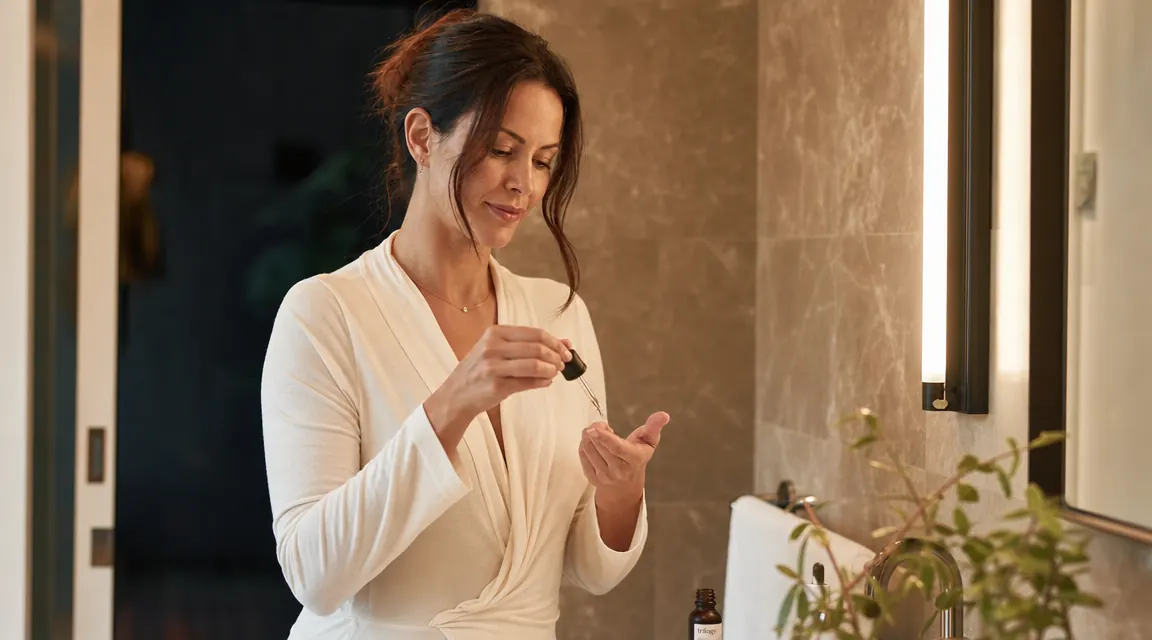
Every time I recommend retinol to someone with breakout-prone skin, I get the same response two weeks later: 'My face is on fire and I look like I'm shedding.' They went in too fast, used too much, and their barrier never stood a chance. I have been there. My first retinol experiment in my early thirties ended with a week of raw, tight, visibly peeling skin that made me look worse than when I started. The ingredient was not the problem. The approach was.
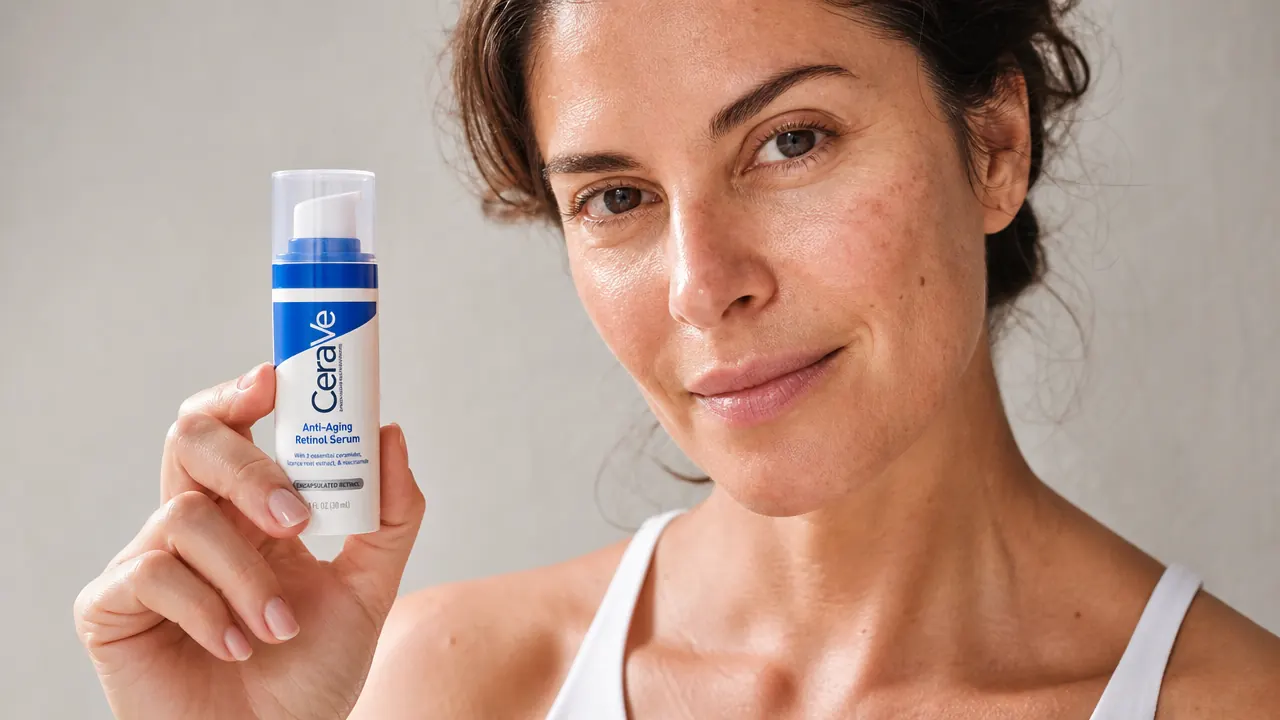
Retinol genuinely works. It is one of the few topical ingredients with decades of peer-reviewed evidence behind it. It increases cell turnover, stimulates collagen production, and fades post-breakout marks over time. But it is also the ingredient most likely to cause a blown-out skin barrier if you do not introduce it correctly. The slow-ramp protocol I am walking you through here is what changed things for me. Paired with an encapsulated formula like the CeraVe Anti Aging Retinol Serum, most people can work through the adjustment window without any significant irritation at all.
If your last retinol attempt ended in peeling, this is the serum to retry with
CeraVe's encapsulated retinol releases slowly, so your skin never gets the sudden concentration spike that causes irritation. Paired with niacinamide, hyaluronic acid, and ceramides in the same bottle, it is the most barrier-supportive retinol formula at this price point.
Amazon Check Today's Price on Amazon →Step 1: Strip Your Routine Down Before You Add Retinol In
The most common reason retinol causes problems has nothing to do with retinol itself. It is the routine it gets dropped into. If you are using a BHA exfoliant three nights a week, a vitamin C serum every morning, and a clay mask on weekends, your skin barrier is already working harder than it wants to. Adding retinol to that stack guarantees irritation, and then you blame the retinol.
Before your first retinol night, spend one full week running a stripped-back routine. That means a gentle cleanser, a simple moisturizer with ceramides, and SPF in the morning. Nothing else. This gives your barrier a chance to be in a good, defended state when retinol arrives. It also gives you a clean baseline so you know if any reaction is actually from the retinol or from something else you were layering.
Specific actives to pause before starting: glycolic acid, salicylic acid, benzoyl peroxide, vitamin C at concentrations above 10%, and any physical or chemical exfoliant. You can reintroduce some of them later after your skin has adapted, but the first four to six weeks belong to retinol only.
Step 2: Pick an Encapsulated Formula at a Low Effective Concentration
Not all retinol is the same. Raw retinol in a basic squalane base, like the formulas from some budget actives brands, delivers the full concentration to your skin surface at once. That works fine for skin that has already built up a tolerance. For a beginner, it is a lot. Encapsulated retinol is different. The retinol molecule is wrapped in a polymer shell that breaks down slowly on the skin, releasing the active in smaller amounts over several hours instead of all at once. You still get the cumulative dose, but your barrier is not hit with a spike.
The CeraVe Anti Aging Retinol Serum uses encapsulated retinol alongside three ceramides, niacinamide, and hyaluronic acid. That combination matters. The ceramides actively reinforce your barrier while the retinol is working. The niacinamide reduces inflammation and redness, which are two of the main complaints during retinol adjustment. The hyaluronic acid draws moisture in to counteract dryness. It is not a coincidence that this formula is one of the most recommended beginner retinol options by dermatologists. Every supporting ingredient is there specifically to lower the chance of the irritation that makes people quit.
At roughly twenty dollars, it is also the most accessible dermatologist-backed retinol on the market. If you have tried and failed with retinol before, this formula is worth a second attempt with the right approach.
Step 3: Start Once a Week and Hold There for Two Full Weeks
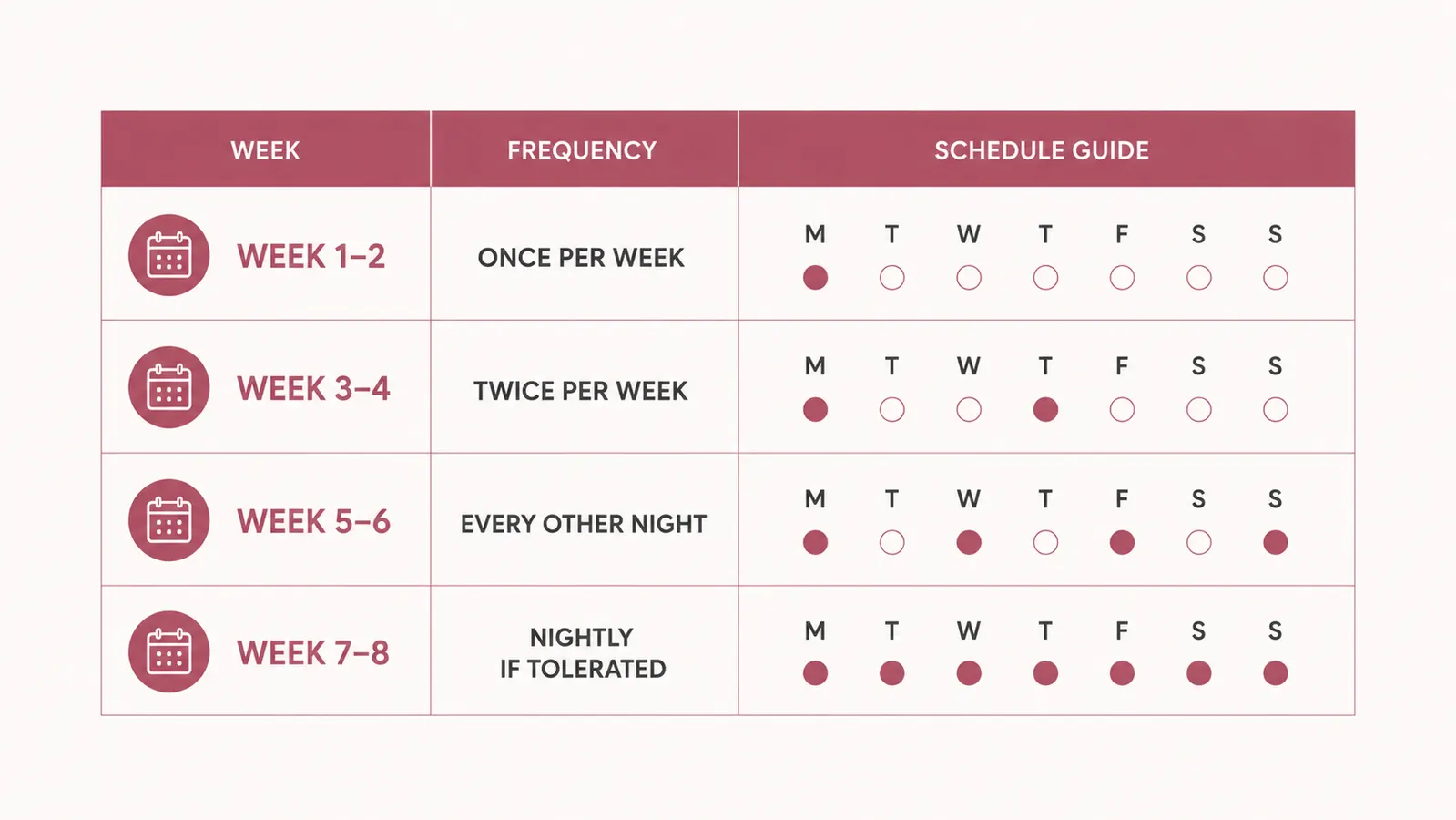
Week one and week two: retinol goes on one night each week. Not twice. Not three times because you feel fine. Once. I know it sounds too slow, but the point of this phase is not to rush results. It is to teach your skin what is coming without triggering a defensive response. If you push too fast and your barrier breaks down, you have to spend three weeks recovering before you can use retinol again at all. Patience in weeks one and two saves you four to six weeks of backtracking.
On retinol nights, cleanse, let your skin dry completely for two to three minutes, apply a pea-size amount of the serum to your whole face, then immediately follow with your ceramide moisturizer. Do not skip the moisturizer step. The moisturizer over retinol is not diluting the ingredient. It is protecting your barrier from the transepidermal water loss that retinol can cause during the early weeks.
A pea-size amount for your whole face. Not a pump for each cheek. Not a layer you can see. A single small drop, spread thin. More retinol does not mean faster results. It means a wrecked barrier and a month off.
Step 4: Move to Twice a Week in Weeks Three and Four
If your skin sailed through the once-a-week phase with zero flaking, zero stinging, and no new breakouts by the end of week two, you are ready to move up. Weeks three and four, use retinol on two non-consecutive nights. Sunday and Wednesday works well. The gap between applications gives your skin about 48 hours to return to baseline before the next dose.
If you experienced any light flaking or mild dryness in weeks one and two, do not move up yet. Stay at once a week for another two weeks until your skin has fully adapted. There is no trophy for finishing the ramp fast. The goal is to arrive at every-other-night use with zero irritation, which is a much better outcome than sprinting there with a compromised barrier.
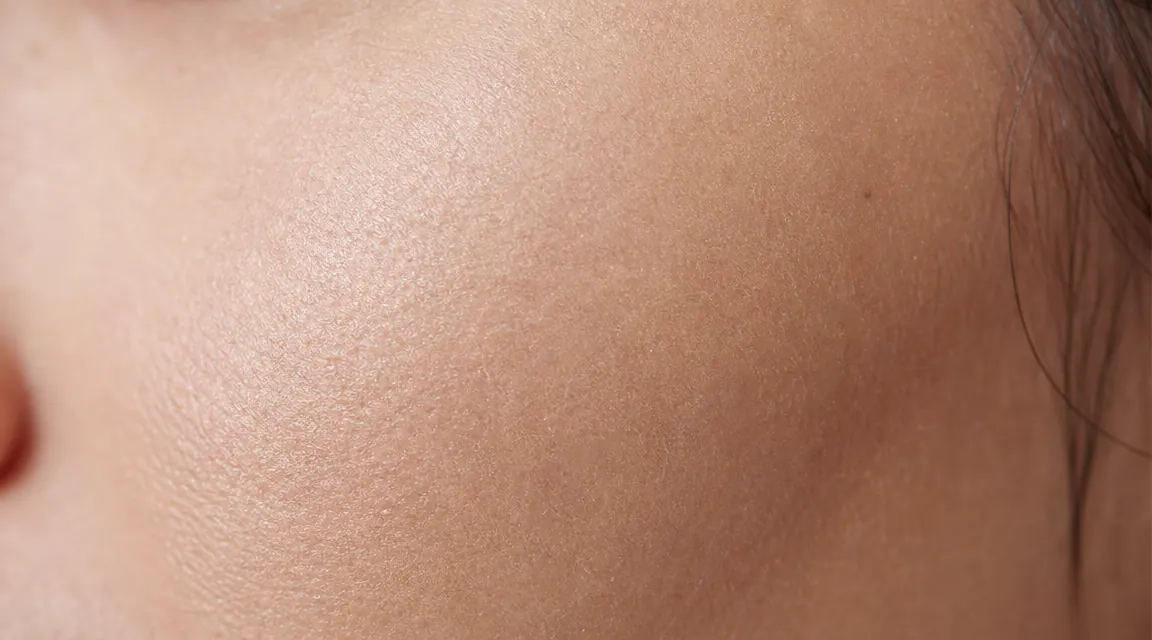
Step 5: Graduate to Every Other Night and Stay There
Weeks five and six are every-other-night use. For most people with combo or sensitive skin, this is the maintenance frequency where the real results start compounding. You do not necessarily need to push to nightly use. Dermatologists frequently suggest that every-other-night retinol at a well-tolerated concentration outperforms nightly use at a lower concentration precisely because your barrier is not in constant recovery mode.
At this stage, if your skin is comfortable, you can begin reintroducing one other active to your routine. Niacinamide serum is the safest first add because it reinforces the barrier and reduces any lingering inflammation. Wait until you have been at every-other-night retinol for three full weeks before considering bringing back an exfoliating acid, and then use it only on mornings, not evenings when retinol is applied.
If you are using CeraVe's retinol serum, you are already getting niacinamide in the same bottle, which is one less variable to manage.
What Else Helps: The Routine Around Retinol That Most Guides Skip
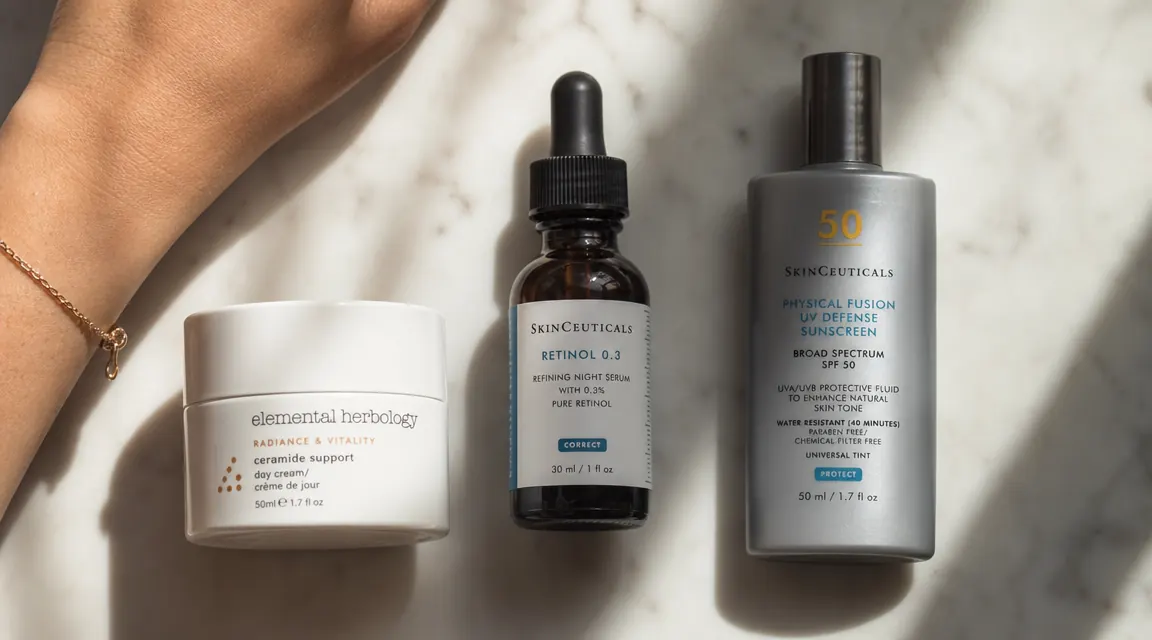
Sunscreen every morning is not optional when you are using retinol. The ingredient increases photosensitivity by accelerating cell turnover and exposing newer, less UV-hardened skin cells to the surface. An SPF 30 or higher mineral or hybrid sunscreen applied every morning is the other half of your retinol results. Without it, you are increasing your sun damage at the same time you are trying to reduce it.
Hydration matters more than most people expect. If your skin is drinking water on the inside, your barrier has more resources to stay intact while retinol does its job. A hyaluronic acid serum underneath your moisturizer on non-retinol nights is a straightforward way to keep transepidermal water loss from turning into visible tightness and flaking.
One thing that often surprises people: the purging phase people dread is not always actually purging. Sometimes it is just irritation from too much retinol too fast. True retinol purging means clogged pores that were already forming beneath the surface get pushed out faster than usual. It lasts two to four weeks and is localized to areas where you normally break out. Widespread redness, tightness, and flaking is not purging. It is a damaged barrier. If you see the latter, slow down immediately, go back to once a week, and double up on your ceramide moisturizer for two weeks.
This is the retinol serum that makes the slow-ramp protocol work for sensitive skin
CeraVe Anti Aging Retinol Serum packs encapsulated retinol, niacinamide, hyaluronic acid, and three ceramides into a single fragrance-free formula. It is specifically designed to give you the retinol benefit without the barrier blowout that makes most beginners quit.
Amazon Check Today's Price on Amazon →