
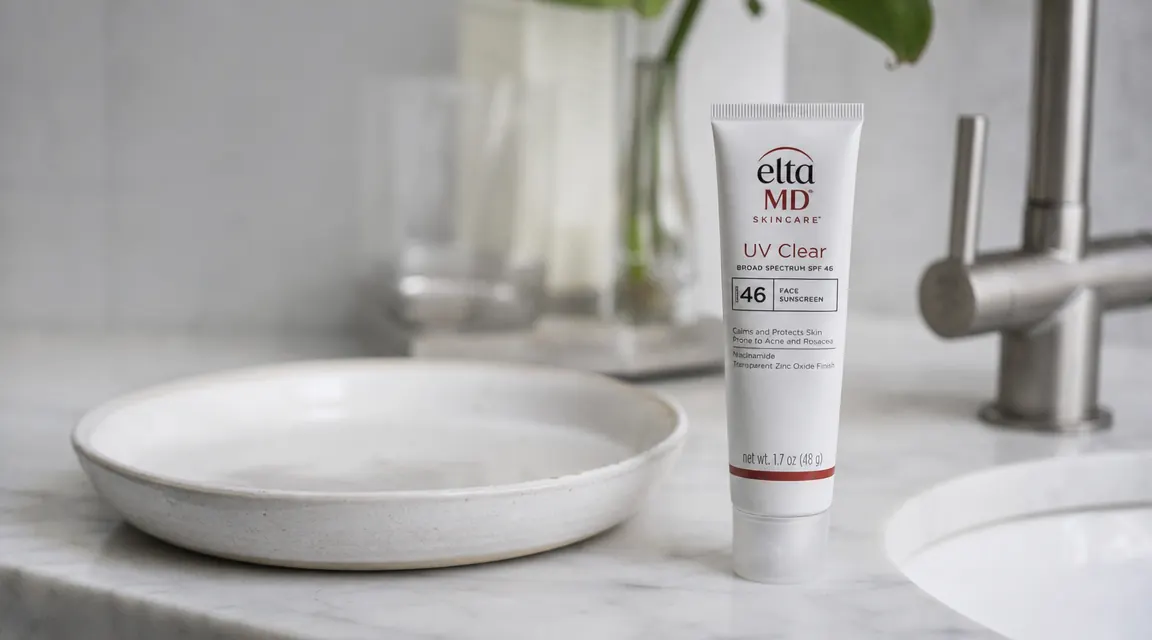
The phrase "dermatologist recommended" is one of the most overworked claims in skincare. It shows up on moisturizers, cleansers, and at least a dozen sunscreens I own. So when I kept hearing that EltaMD UV Clear SPF 46 was the sunscreen dermatologists actually reach for themselves, I decided to do what I always do: skip the reviews and read the ingredient list first.
My skin is combination, dehydrated in the cheeks, oily through the T-zone, and historically very quick to break out when I wear anything occlusive under SPF. I have tried chemical sunscreens that stung, physical sunscreens that left me gray-white, and hybrid formulas that sat in my pores like paste. The bar for a new SPF is genuinely high. What I found inside EltaMD's formula was more interesting than I expected, and also a little more complicated than the marketing suggests.
The Quick Verdict
The formula earns the recommendation. Zinc oxide at 9% plus niacinamide is a smart pairing for acne-prone skin. The limitation is finish: dry skin types may find it pulls tight by midday, and anyone with a deep complexion should test for white cast in direct sunlight.
Amazon Check Today's Price →If your sunscreen is causing breakouts, this formula is worth understanding before you buy it
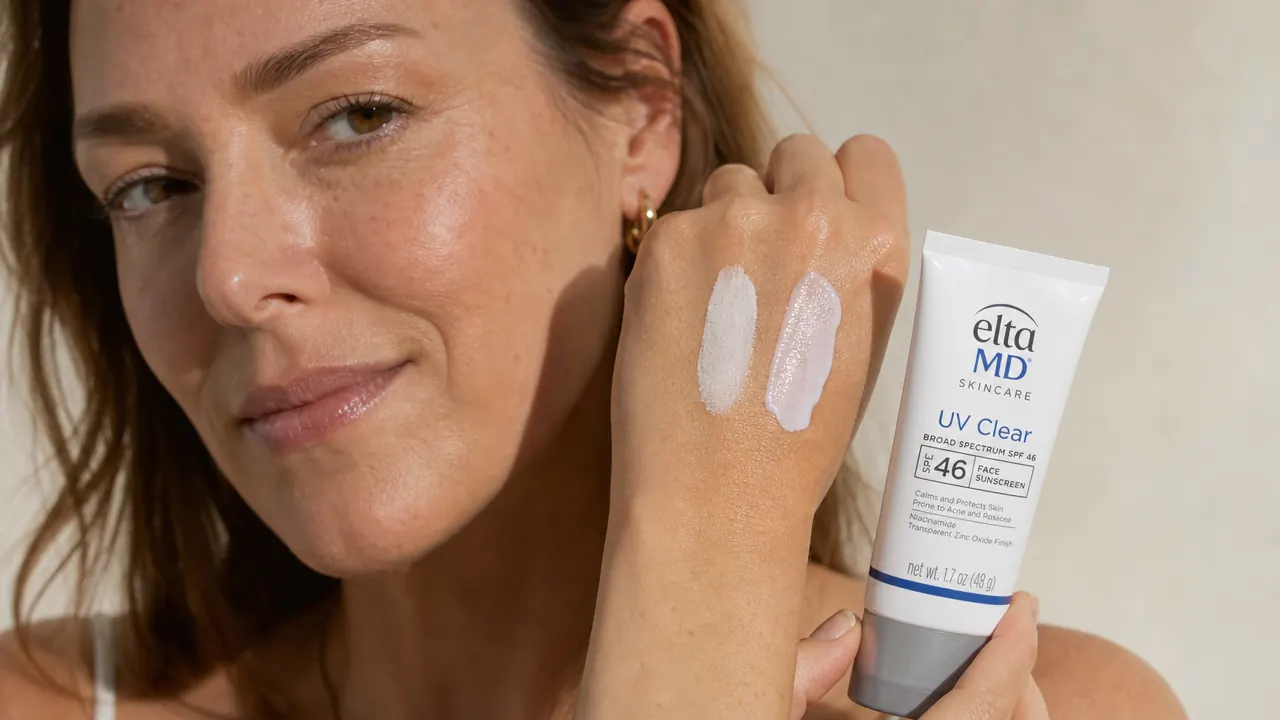
EltaMD UV Clear SPF 46 is an oil-free mineral SPF with 9% zinc oxide and niacinamide. Current pricing and availability on Amazon are below.
Amazon Check Today's Price on Amazon →What '9% Zinc Oxide' Actually Means
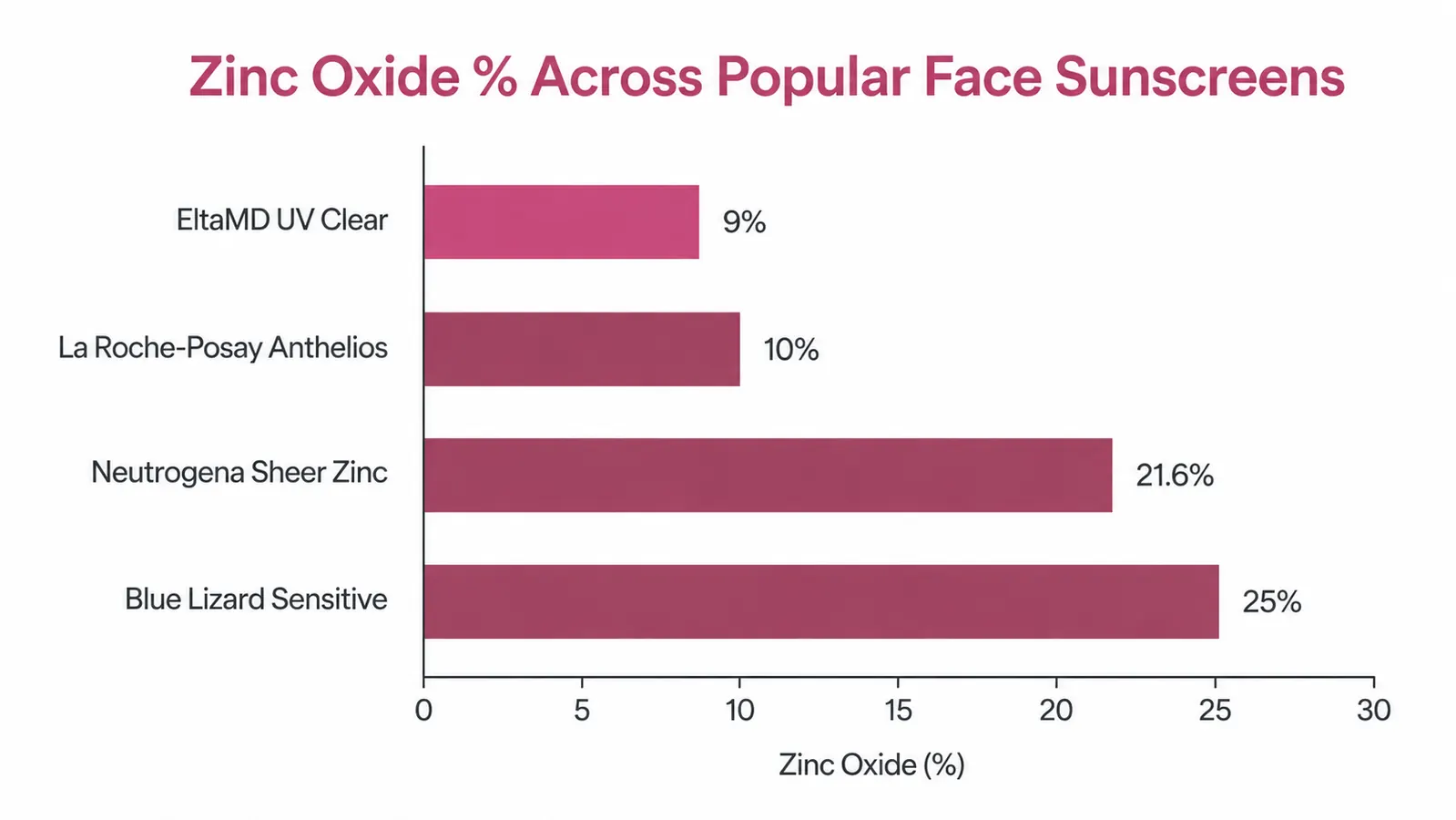
The first thing I noticed reading the active ingredients panel: zinc oxide at 9%. That is notably lower than many physical sunscreens. Neutrogena's Sheer Zinc sits at 21.6%. Blue Lizard Sensitive pushes past 25%. The FDA requires a minimum of 2% for SPF efficacy, and clinical data generally shows that concentrations above 20% start delivering meaningfully better UVA protection. At 9%, EltaMD is well above the floor, but well below what I would call a zinc-heavy formula.
What 9% zinc gives you is meaningful UVA and UVB coverage with a substantially reduced white cast compared to higher-concentration formulas. The trade-off is that the SPF 46 rating on the bottle is achieved partly through the film-forming chemistry of the base, not purely through a high zinc load. This is not a flaw. It is a conscious formulation choice that prioritizes wearability on the face over the broadest possible UVA protection you would need on your arms and shoulders at the beach. For daily city wear and desk-job sun exposure, 9% zinc plus a solid SPF 46 rating is genuinely sufficient.
The white cast result in practice: on light to medium skin tones, EltaMD UV Clear disappears with blending. On medium-deep to deep complexions, there is a faint ashy finish in direct sunlight. I am NC25 and I see a subtle brightness on my jawline in harsh overhead light. It is not the dramatic gray mask of a 25% zinc formula, but calling EltaMD completely invisible on everyone would be inaccurate.
The Niacinamide Inclusion: Functional or Marketing?
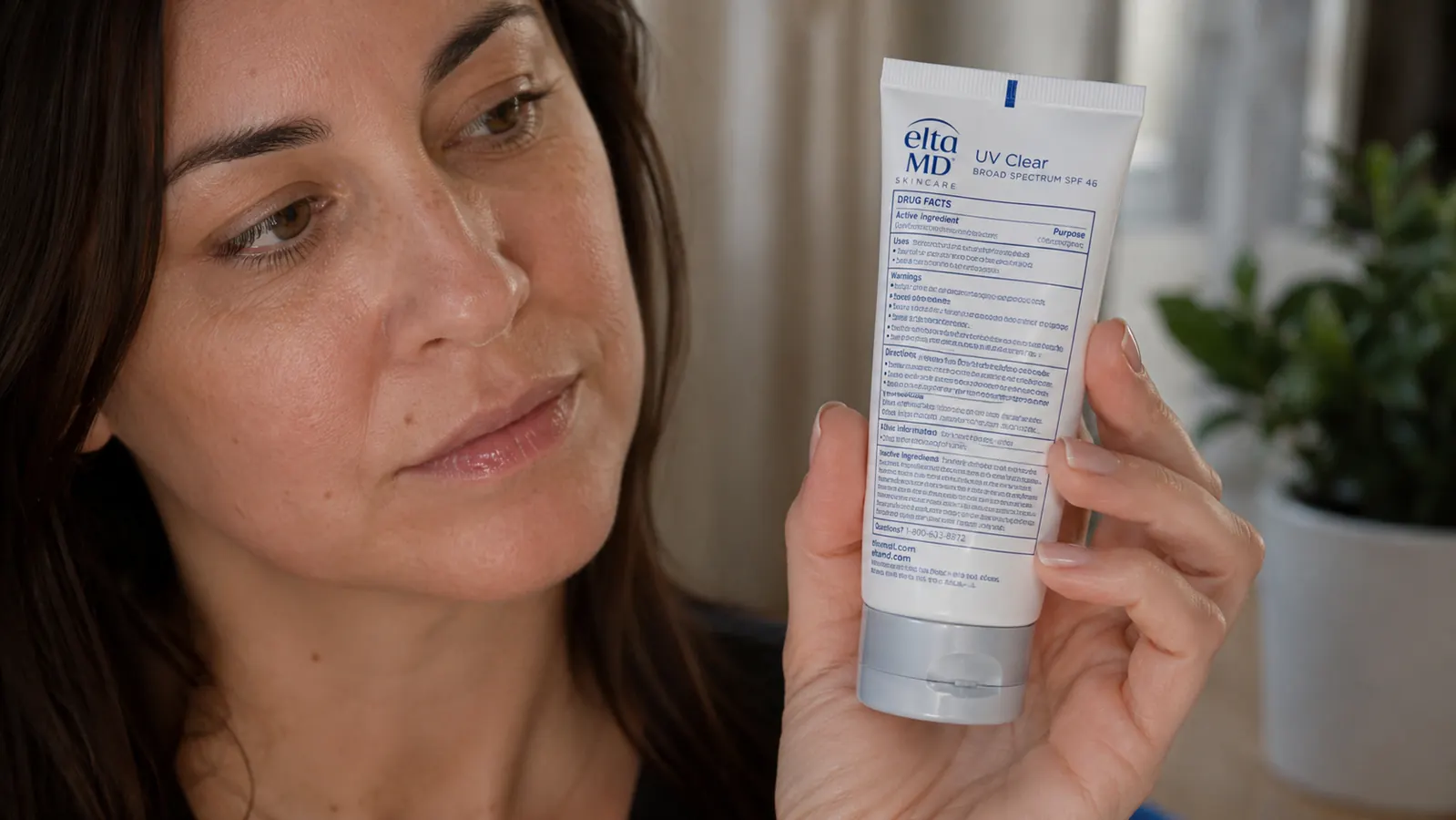
EltaMD includes niacinamide in the UV Clear formula, and this is where I had to do a bit more research. Niacinamide is a legitimately evidence-backed ingredient with published clinical support for reducing sebum production, calming post-inflammatory redness, and reinforcing the barrier. However, the published studies showing visible effects generally use concentrations between 2% and 5%. The concentration in EltaMD UV Clear is not disclosed on the label, which is standard since inactive ingredient concentrations are not required by the FDA.
My read on it: the niacinamide in UV Clear is likely present at a sub-2% concentration based on its position in the ingredient list (it appears after the film-forming agents and before the preservatives). That does not mean it does nothing. Barrier support at even low concentrations is plausible. But if you are hoping UV Clear will replace a dedicated niacinamide serum, it will not. The niacinamide is a supporting cast member, not the lead.
The niacinamide in UV Clear earns a role in the formula. It will not replace a dedicated serum, but it rounds out a sunscreen that is already doing a lot of things right.
What Nobody Mentions: The Lactic Acid in the Formula
Most EltaMD UV Clear reviews I have read do not mention lactic acid at all. It is listed further down the inactive ingredients, and it is not on the front of the box. But lactic acid is an alpha hydroxy acid, and its presence in a daily SPF raises a question worth asking: is there a risk of increased photosensitivity?
The honest answer is nuanced. Lactic acid at the concentrations typical in a sunscreen base (likely below 0.5%) functions primarily as a pH adjuster and humectant, not as an exfoliant. It is not going to visibly resurface skin the way a 10% lactic acid toner would. The photosensitivity risk from AHAs is primarily associated with concentrations above 3% to 4%. At the trace level present in UV Clear, the inclusion is almost certainly benign, and the humectant properties may actually contribute to the formula's relatively non-drying finish compared to other mineral SPFs.
That said, if you have AHA-sensitized skin from aggressive exfoliant use, or if you are layering a high-strength AHA underneath UV Clear, it is worth knowing the formula is not completely AHA-free. For most people this is a non-issue. For people mid-recovery from a compromised barrier, it is worth factoring in.
The Silica Question: Why the Finish Feels the Way It Feels
One of the things EltaMD UV Clear is consistently praised for is its matte finish. That finish comes directly from the silica in the formula. Silica is a mineral oil-absorber that creates a soft, pore-blurring effect on the skin surface. This is the same reason primers that contain silica feel so smooth. In a sunscreen, it is a practical choice: it reduces the greasy or shiny film that many physical sunscreens leave, which makes the product easier to wear under makeup or on its own.
The limitation of silica-heavy formulas is that they can pull moisture from the surface of the skin over the course of the day. On my combination skin, I notice this in my cheek area around hour five or six of wear. The skin does not feel tight immediately after application, but by early afternoon on a low-humidity day, my cheeks look a little flat and I feel like I need a hydrating mist. People with dry or dehydrated skin may find this more pronounced. If you are also using a retinol at night, your skin's daytime moisture needs are higher, and you might want to layer a lightweight hyaluronic acid serum underneath UV Clear before applying.
The Dermatologist Endorsement: What It Actually Reflects
I spent some time thinking about why this specific sunscreen appears at the top of so many dermatologist recommendation lists. The honest answer is probably a combination of three things. First, EltaMD markets aggressively to dermatology practices through their professional channel, which means derms have samples on hand and patients ask about what they see on the shelf. Second, the formula genuinely is well-constructed for acne-prone and post-procedure skin: oil-free, fragrance-free, no chemical UV filters that can sensitize reactive complexions, and a zinc concentration low enough to be wearable. Third, EltaMD has been in the professional space for long enough that it has accumulated a strong track record without a notable reformulation controversy.
None of that is a criticism. It means the endorsement reflects actual clinical familiarity with the product, not just a paid placement arrangement. Dermatologists who recommend EltaMD are generally doing so because they have seen it work on their patients without causing adverse reactions. That is meaningful, and it is a higher bar than most sunscreen claims meet.
What the endorsement does not mean: that UV Clear is categorically better than every sunscreen in its price range. Supergoop Unseen Sunscreen uses an all-chemical filter system that has its own clinical backing. La Roche-Posay Anthelios includes the Mexoryl filter system that provides UVA coverage EltaMD does not. For daily SPF use on a face that is not reactive to chemical filters, those alternatives are valid. EltaMD's specific advantage is its suitability for sensitive, acne-prone, and post-procedure skin where chemical filters carry a higher risk of irritation.
What I Liked
- 9% zinc oxide delivers real UVA and UVB coverage with minimal white cast on light to medium skin
- Oil-free and fragrance-free formula works for sensitive and acne-prone skin types
- Niacinamide inclusion provides mild barrier and sebum-regulation support at the surface level
- Silica creates a genuinely matte, smooth finish that works well under makeup
- No octenoxate or oxybenzone, which matters for reactive skin and reef-conscious consumers
- 4.6-star average across nearly 48,000 Amazon reviews reflects consistent real-world performance
Where It Falls Short
- White cast is not fully invisible on medium-deep and deep skin tones in direct sunlight
- Silica-heavy formula can feel drying on dehydrated or dry skin by midday
- Niacinamide concentration is likely too low to replace a dedicated niacinamide serum
- At the current price point, it is a premium purchase that chemical SPF users may not need
- Lactic acid in the inactive ingredients is a minor concern for AHA-sensitized skin in the first weeks of recovery
The Application Details That Actually Matter
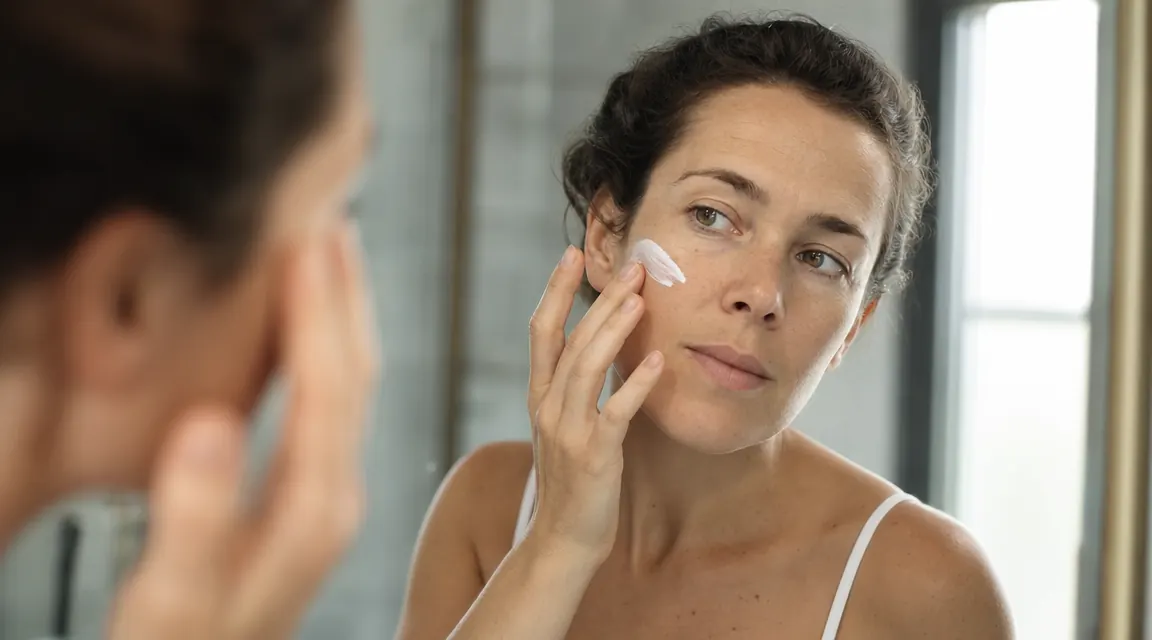
The formula dispenses as a thin, slightly off-white lotion. A pea-sized amount covers my face but I use two pea-sized amounts for genuine SPF 46 protection, which is in line with the two milligrams per square centimeter application standard from clinical SPF testing. Most people underapply sunscreen by 25% to 75%, which is worth knowing because SPF ratings assume full application.
Blending takes about 30 seconds of gentle patting. It does not pill under foundation the way some physical SPFs do, which is a direct result of the silica and the lightweight carrier base. If you are layering it under powder foundation, the matte finish is almost invisible. Under dewy or liquid foundation, expect a slightly more set, less-glow finish on the areas you have covered.
Reapplication: EltaMD UV Clear is marketed as a once-daily sunscreen for typical indoor-outdoor routines. For extended outdoor time above 30 minutes, reapplication every two hours remains the standard recommendation regardless of which sunscreen you use. The oil-free formula does not interfere with makeup reapplication through a setting powder as badly as some, but a mineral-powder SPF on top is a cleaner reapplication method if you are wearing a full face.
Who This Is For
EltaMD UV Clear makes the most sense for people with acne-prone, post-procedure, or chemically-sensitive skin who have had bad experiences with chemical UV filters. If avobenzone, octinoxate, or oxybenzone have made your face sting, turn red, or break out, UV Clear's zinc-only approach removes that variable. It is also a strong pick for people who are currently using retinoids or strong exfoliants and need a forgiving daily SPF that will not compound irritation. The matte finish makes it practical for anyone who wears foundation and has historically had trouble layering sunscreen underneath without creating a pilling or greasy-film problem.
Who Should Skip It
If you have dry or very dehydrated skin, test this carefully before committing to a full tube. The silica finish may work against your skin's daytime moisture needs. If you have a medium-deep or deep complexion and white cast is a hard no for you, there are tinted mineral options from EltaMD and from competitors worth exploring instead. And if your skin tolerates chemical UV filters without issue and you are looking to save money, the unique formulation benefits here do not justify the premium for your situation.
Your chemical SPF keeps breaking you out. This formula was built for exactly that problem.
EltaMD UV Clear SPF 46 uses zinc oxide with no chemical UV filters, no fragrance, and no oils. Check whether it's currently in stock and what the price looks like today on Amazon.
Amazon Check Today's Price on Amazon →