
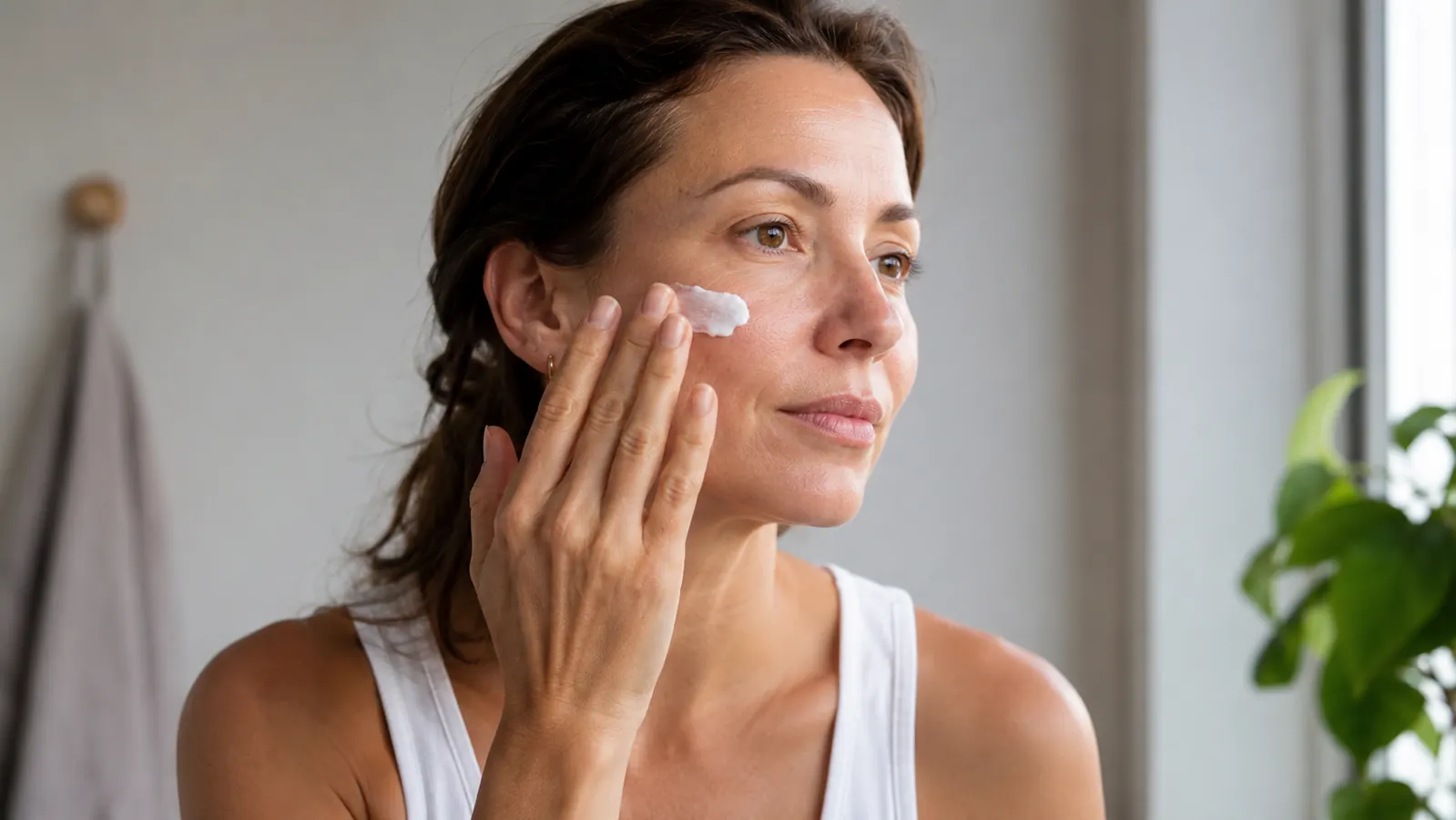
I spent two full years assuming my skin just hated sunscreen. Every formula I tried left my face red, itchy, or covered in small breakouts by the third day. I tried gel formulas, water-light mists, sport versions, tinted ones. Same result every time. Then a dermatologist looked at my ingredient list and said six words that changed my routine: 'You need to switch to mineral SPF.' That was it. The problem was never sunscreen. It was the class of UV filter inside it.
Mineral SPF, specifically formulas built around zinc oxide, behaves completely differently on skin than chemical filters do. It sits on top of the skin instead of absorbing into it. It does not trigger heat or a photochemical reaction. For anyone dealing with rosacea, acne, perioral dermatitis, post-procedure sensitivity, or just a generally reactive baseline, that difference is significant. Here are the 10 reasons mineral SPF consistently outperforms chemical filters for sensitive skin types.
If every SPF you've tried has broken you out, the filter is almost certainly the problem, not your skin.
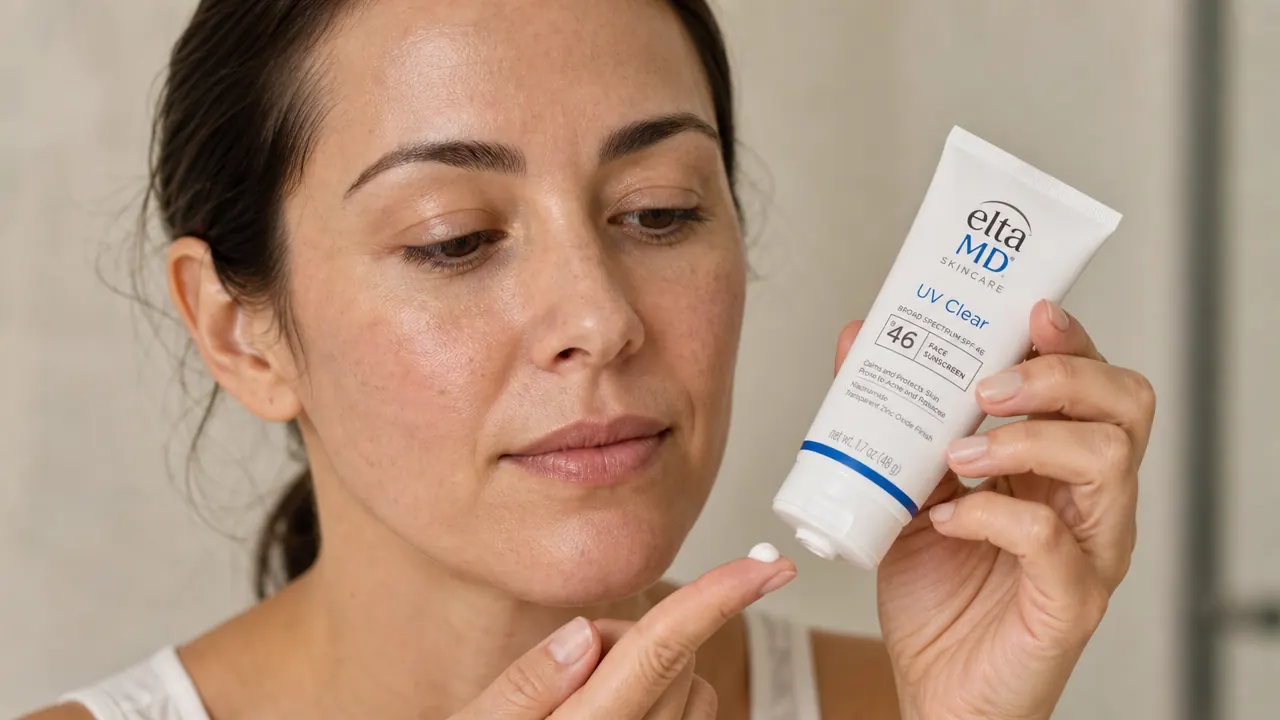
EltaMD UV Clear SPF 46 uses 9% zinc oxide as its only UV filter, paired with niacinamide to calm active skin. It is one of the few mineral SPF formulas that disappears completely on skin tones above NC15 and doesn't leave the white cast that makes most people give up on mineral options.
Amazon Check Today's Price on Amazon →Zinc Oxide Stays on the Surface, It Doesn't Absorb Through the Skin
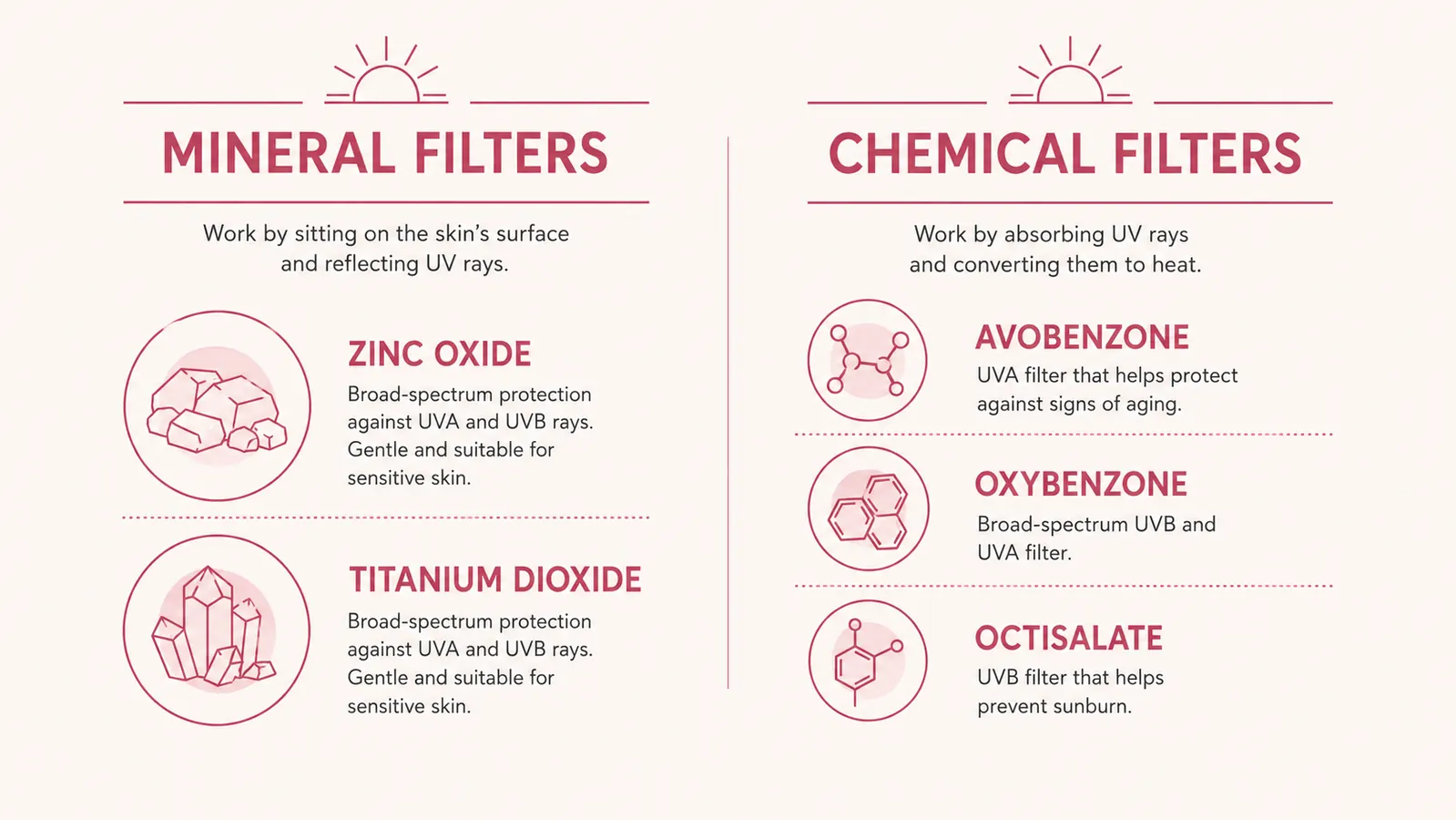
The most important mechanical difference between mineral SPF and chemical SPF is what happens at the skin barrier. Zinc oxide and titanium dioxide sit on top of the stratum corneum and physically scatter or reflect UV rays. Chemical filters like avobenzone, oxybenzone, and octinoxate are designed to penetrate into the upper layers of skin so they can absorb UV energy from within. For skin that is already compromised, sensitized, or prone to inflammation, that penetration is often the trigger. Mineral SPF skips the barrier entirely.
Amazon See EltaMD UV Clear's zinc oxide formula on Amazon → →
Mineral SPF Does Not Cause a Heat-Release Reaction on the Face
Chemical UV filters work by absorbing ultraviolet radiation and converting it into heat, which then dissipates from the skin. For rosacea-prone skin or anyone whose skin flushes easily, that heat release is a direct irritation trigger. Mineral SPF reflects and scatters UV before it reaches the skin, so there is no heat conversion step. Many people with rosacea report that switching from a chemical SPF to a mineral sunscreen cut their afternoon flushing noticeably. The mechanism is straightforward: remove the heat source, reduce the flush.
Zinc Oxide Offers Both UVA and UVB Protection in a Single Ingredient
One of the underappreciated advantages of mineral SPF is that zinc oxide covers the full UV spectrum on its own. Many chemical formulas have to blend three or four different filters to achieve the same broad-spectrum coverage, and each additional filter is another potential irritant. Titanium dioxide handles UVB and some short UVA. Zinc oxide handles UVB plus the full UVA range including the longer UVA1 rays that penetrate deepest and contribute to photoaging. A mineral sunscreen built around zinc oxide can deliver complete broad-spectrum protection with a shorter, simpler ingredient list.
Amazon See EltaMD UV Clear's broad-spectrum coverage on Amazon → →
Mineral SPF Is Stable in Sunlight, It Doesn't Degrade the Way Avobenzone Does
Avobenzone, one of the most common UVA chemical filters, is photounstable. It breaks down when exposed to UV light, which is the very thing it is supposed to block. Formulators add photostabilizers like octocrylene to slow this degradation, but octocrylene is itself linked to contact sensitization in some people. Zinc oxide is inherently photostable. It does not break down in sunlight and does not lose efficacy over a day of wear. For someone who wears mineral SPF as a daily driver and doesn't want to reapply every two hours indoors, that stability matters.
Mineral SPF Is Recognized as Safe and Effective by the FDA Without Conditions
In 2019 the FDA released a proposed rule on sunscreen active ingredients. Of the sixteen active ingredients evaluated, only two were categorized as GRASE (Generally Recognized as Safe and Effective) without further data requirements: zinc oxide and titanium dioxide. The chemical filters, including oxybenzone, avobenzone, octinoxate, and eleven others, were moved to a 'needs more data' category pending absorption studies. This does not mean chemical sunscreens are dangerous. It does mean that for anyone weighing options, mineral SPF has a cleaner regulatory standing and a longer evidence trail.
Zinc oxide is the one UV filter that covers the full UVA and UVB spectrum on its own, stays stable in sunlight, and doesn't need to penetrate the skin barrier to work. For reactive skin, that combination is the whole argument.
Mineral SPF Formulas Tend to Have Fewer Sensitizing Preservatives
Because mineral sunscreens rely on inorganic UV filters that are chemically stable, formulators generally need fewer preservatives to keep the formula intact. Chemical sunscreens use filters that are more reactive and require more complex preservation systems, some of which, like methylisothiazolinone or certain parabens, are common sensitizers. The correlation isn't absolute, but if you scan the ingredient lists of well-formulated mineral SPF products alongside comparable chemical SPF products, the mineral options consistently run shorter. For anyone building a stripped-back routine around known, tolerated ingredients, fewer preservatives is a meaningful advantage.
Amazon Check EltaMD UV Clear's full ingredient list on Amazon → →
Zinc Oxide Has Natural Antibacterial Properties That Can Help Acne-Prone Skin
Zinc has been used as a topical antibacterial for decades in wound care, diaper rash creams, and acne treatments. The same mild antimicrobial activity is present in zinc oxide-based mineral SPF formulas. It won't clear a cystic breakout, but for skin that tends toward comedones and surface-level congestion triggered by bacteria, a daily mineral sunscreen with zinc oxide may offer a mild ancillary benefit that a chemical SPF never could. EltaMD UV Clear goes further by pairing zinc oxide with niacinamide, which directly targets sebum regulation and post-inflammatory redness, a thoughtful pairing for acne-prone skin.

Mineral SPF Works Immediately After Application, No Wait Time Required
Chemical sunscreens require a 15- to 20-minute absorption window before they reach full efficacy. The filters need to bind to skin proteins and form a protective layer. Mineral SPF provides protection the moment it is applied because the UV filter sits on the skin surface and works physically, not chemically. For anyone who applies sunscreen as the last step before walking out the door, that immediate-on protection is a genuine convenience. It also matters if you're reapplying over makeup, you don't need to wait before stepping back into sunlight.
Mineral SPF Handles Post-Procedure and Compromised Skin Better Than Any Chemical Alternative
After a chemical peel, laser treatment, microneedling session, or even a bad retinol reaction, the skin barrier is compromised and absorption rates are elevated. Applying a chemical SPF to recently treated skin increases both the depth and volume of filter penetration, which is the last thing you want when the barrier is down. Mineral sunscreen stays external regardless of skin barrier status. Most dermatologists and aestheticians specify mineral-only SPF for the first two to four weeks post-procedure. If your skin care involves any active treatments, having a mineral SPF as your default reduces risk during recovery windows.
Amazon See EltaMD UV Clear's post-procedure use on Amazon → →
Modern Mineral SPF Formulas No Longer Leave a White Cast, the Old Objection Is Gone
The biggest complaint about mineral sunscreen has always been the white cast. Older zinc oxide formulas were opaque and left every skin tone looking chalky. That objection is genuinely outdated now. Micronized and nano-zinc formulas, combined with tinted versions and improved suspension systems, have made white cast a non-issue in most well-formulated mineral SPF products at SPF 46 and below. EltaMD UV Clear at 9% zinc oxide applies nearly clear on medium skin tones and fully invisible with a brief blend on deeper tones. The white cast excuse no longer holds for anyone willing to spend two minutes finding a modern formula.
Amazon Check EltaMD UV Clear's finish and texture on Amazon → →
What I'd Skip
Not every mineral SPF is worth your money. Avoid formulas that lead with titanium dioxide as the only active, it covers UVB and short UVA but leaves gaps in long-wave UVA1 protection, which is the range most responsible for collagen degradation. Also skip any mineral sunscreen that includes fragrance or essential oils in the top third of the ingredient list. The entire point of choosing mineral is to reduce irritation triggers; adding lavender oil or citrus extracts defeats that purpose immediately. And if you have deep skin tones, test any mineral formula on your jawline before committing, lower-SPF formulas generally have less cast than higher SPF options, but results vary by formulation and skin tone, and a formula that looks clear on a NC30 can still pull gray on NC50.
For a deeper look at how EltaMD UV Clear compares to the Supergoop Unseen Sunscreen in a real side-by-side wear test, read the full comparison here. And if you want the long-form breakdown of what one year of daily EltaMD UV Clear use actually did to my skin, that is covered in the honest review.
One formula that actually gets worn every day beats a perfect formula that sits in the drawer.
EltaMD UV Clear SPF 46 is the mineral SPF I recommend for anyone who has given up on sunscreen because every option broke them out or stung. The 9% zinc oxide formula is lightweight enough to wear under makeup, the niacinamide addition actively helps acne-prone skin, and the finish is near-invisible on most skin tones. At current pricing it is a reasonable daily spend for the only anti-aging step with 30 years of clinical evidence behind it.
Amazon Check Today's Price on Amazon →